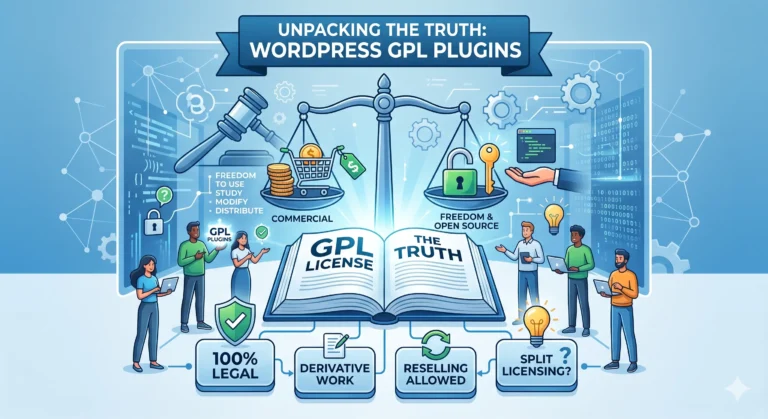
GPL vs. Nulled WordPress Plugins: Security & Differences
Difference Between GPL And Nulled WordPress Plugins: A Crucial Distinction for Website Security Understanding the difference between GPL and nulled WordPress plugins is paramount for website owners seeking to build...

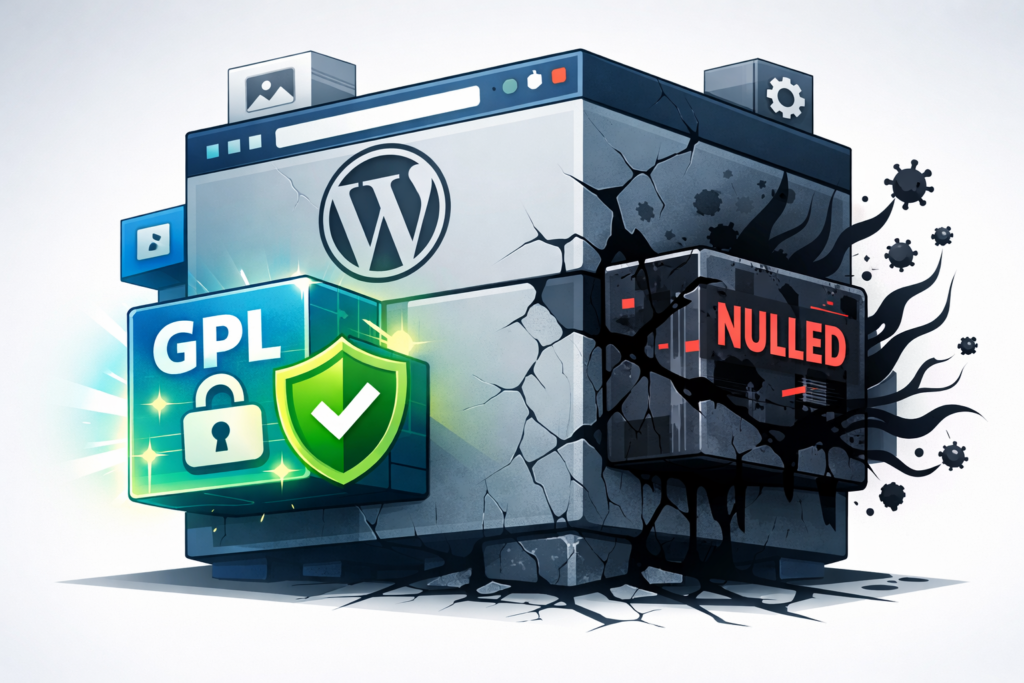
WPPlugShop focuses on GPL-distributed WordPress resources. Products may not include official developer support, official vendor license keys, automatic vendor updates, or vendor account access unless clearly stated. Avoid nulled files because they can create security, malware, and SEO risks.
GPL is not the same as nulled — and that difference matters.
GPL distribution is about open-source licensing. Nulled files are usually cracked or modified copies that can harm your website. This guide helps users understand the safe, legal, and practical difference.
Difference Between GPL And Nulled WordPress Plugins: A Crucial Distinction for Website Security
Understanding the difference between GPL and nulled WordPress plugins is paramount for website owners seeking to build secure, reliable, and ethical online presences. While both may appear to offer access to premium functionality, their origins, legality, and underlying risks are worlds apart. This article delves into the core distinctions, highlighting why choosing genuine GPL-licensed plugins over their nulled counterparts is essential for your website’s health and your business’s reputation.
The WordPress ecosystem thrives on open-source principles, with a vast majority of themes and plugins released under the GNU General Public License (GPL). However, a shadow economy exists, peddling “nulled” or pirated versions of premium plugins. These nulled plugins, while tempting due to their zero cost, carry significant security risks and ethical implications that far outweigh any perceived savings.
What Exactly Are WordPress Plugins?
Before diving into the differences, let’s clarify what WordPress plugins are. Plugins are essentially add-ons or extensions that enhance the functionality of a WordPress website. They can range from simple contact forms and image galleries to complex e-commerce solutions and SEO optimization tools. WordPress itself is built on a foundation of open-source software, and many plugins follow suit, contributing to its incredible flexibility and power. The GPL license is central to this open-source model.
Understanding the GNU General Public License (GPL)
The GNU General Public License (GPL) is a widely used free software license that guarantees end users the freedom to run, study, share, and modify the software. It’s a cornerstone of the open-source movement. When a WordPress plugin is released under the GPL, it means its source code is publicly available, and users have the right to:
- Use: Install and use the plugin on any number of websites.
- Study: Examine how the plugin works and adapt it to their needs.
- Share: Distribute copies of the plugin to others.
- Modify: Make changes to the plugin’s code and distribute those modified versions.
This freedom fosters collaboration and innovation within the WordPress community. Many reputable developers release their plugins under the GPL, allowing users to benefit from robust features without restrictive licensing. For instance, Yoast SEO, a highly popular SEO plugin, is released under the GPL, allowing users to leverage its powerful features freely. You can learn more about the GPL on the Free Software Foundation’s website: GNU General Public License.
The Allure and Danger of Nulled WordPress Plugins
Nulled plugins are premium WordPress plugins that have been illegally modified to bypass their licensing restrictions and unlock premium features without payment. Essentially, they are pirated software. The term “nulled” refers to the process of removing or “nullifying” the license checks that would normally prevent the plugin from functioning outside of a legitimate purchase.
The primary motivation for using nulled plugins is to access premium features for free. Website owners might be tempted by the prospect of saving hundreds or even thousands of dollars on premium plugins they believe they cannot afford. However, this perceived cost-saving is a dangerous illusion, as the risks associated with nulled plugins are substantial and can lead to far greater financial and reputational damage.
Key Differences: GPL vs. Nulled Plugins
Let’s break down the critical distinctions between genuine GPL-licensed plugins and their nulled counterparts.
1. Legality and Licensing
- GPL Plugins: These are distributed legally under the terms of the GNU General Public License. Developers may sell premium versions with support and updates, but the core software remains open-source and redistributable. Purchasing a premium GPL plugin often grants you access to dedicated support, regular updates, and developer assistance, which are valuable services.
- Nulled Plugins: These are illegal. They are essentially stolen software that has been tampered with. Distributing or using nulled software infringes on copyright laws and violates the terms of service of WordPress and many hosting providers.
2. Security Risks
- GPL Plugins: Reputable GPL plugins from trusted developers are generally safe. Developers invest time in ensuring their code is clean and secure. However, it’s still crucial to download plugins from official sources like the WordPress.org repository or directly from reputable developers.
- Nulled Plugins: This is where the most significant danger lies. Nulled plugins are often bundled with malicious code, including:
Backdoors: These allow hackers to gain unauthorized access to your website’s backend. Malware: This can include viruses, worms, or ransomware that can infect your site and spread to visitors. Phishing Scripts: These can be used to steal user credentials or sensitive information. Spam Bots: Nulled plugins can be used to send spam emails or inject spam links into your website. * Data Theft: Hackers can use vulnerabilities in nulled plugins to steal customer data, login credentials, or other sensitive information.
The individuals or groups who “null” these plugins often do so with malicious intent, adding hidden code that benefits them at your expense. Even if a nulled plugin appears to function correctly initially, there’s no guarantee it hasn’t been compromised. A report by Sucuri Security found that a significant percentage of compromised WordPress sites were infected through vulnerable plugins, and nulled plugins represent a prime vector for such infections.
3. Updates and Support
- GPL Plugins: When you purchase a premium GPL plugin from a developer, you typically receive access to official updates and dedicated support. Updates are crucial for security, performance, and compatibility with the latest versions of WordPress and other plugins. Support ensures you can get help if you encounter issues.
- Nulled Plugins: These plugins never receive official updates. This means any security vulnerabilities discovered in the original plugin will remain unpatched in the nulled version, leaving your site exposed. Furthermore, there is no official support channel. If the nulled plugin breaks your site or you encounter a problem, you are entirely on your own, often with no way to fix it without reverting to a clean, legitimate version.
4. Performance
- GPL Plugins: Well-coded GPL plugins are optimized for performance and should not significantly slow down your website. Developers strive to create efficient code.
- Nulled Plugins: The hidden code added to nulled plugins can consume excessive server resources, leading to slow loading times. This negatively impacts user experience and can harm your search engine rankings. Slow websites are a major deterrent for visitors.
5. Ethical Considerations and Reputation
- GPL Plugins: Using legitimate GPL plugins supports the developers who create them. This allows them to continue innovating, providing updates, and offering support. It’s an ethical way to enhance your website.
- Nulled Plugins: Using nulled plugins is unethical and constitutes software piracy. It undermines the hard work of developers and the open-source community. If your website is found to be distributing malware or engaging in other malicious activities due to nulled plugins, your reputation can be severely damaged, leading to loss of trust from visitors and potential business partners. Search engines may also penalize your site.
6. Compatibility Issues
- GPL Plugins: Legitimate GPL plugins are generally well-tested for compatibility with various WordPress versions and other popular plugins. Developers aim for smooth integration.
- Nulled Plugins: Because the code has been altered, nulled plugins can cause conflicts with other plugins or your WordPress theme. These conflicts can lead to broken functionality, error messages, or even a completely inaccessible website (the dreaded “white screen of death”).
How to Identify Nulled Plugins
Distinguishing between a genuine GPL plugin and a nulled one can sometimes be challenging, especially for beginners. However, several red flags can help you identify them:
- Unbelievably Low Prices: If a premium plugin is being offered for a fraction of its official price, especially on unofficial marketplaces or through direct downloads from untrusted sources, it’s highly suspect.
- Lack of Official Documentation or Support: Legitimate plugins come with comprehensive documentation and access to developer support, often through a dedicated website or forum.
- Suspicious Download Sources: Websites offering large collections of “free premium” plugins are almost certainly distributing nulled or infected software. Stick to the official WordPress.org plugin repository or the developer’s official website.
- Hidden or Obfuscated Code: While difficult for the average user to detect, security scans can sometimes reveal suspicious or deliberately unreadable code within nulled plugins.
- Activation Key Prompts That Seem Off: Some nulled plugins might still prompt for an activation key, but they might offer cracked keys or bypass methods. Legitimate plugins will direct you to purchase a key from the official vendor.
- Unexpected Functionality: If a plugin starts performing actions you didn’t configure, like injecting ads or redirecting users, it’s a strong indicator of malicious code.
The Risks of Using Nulled Plugins in Detail
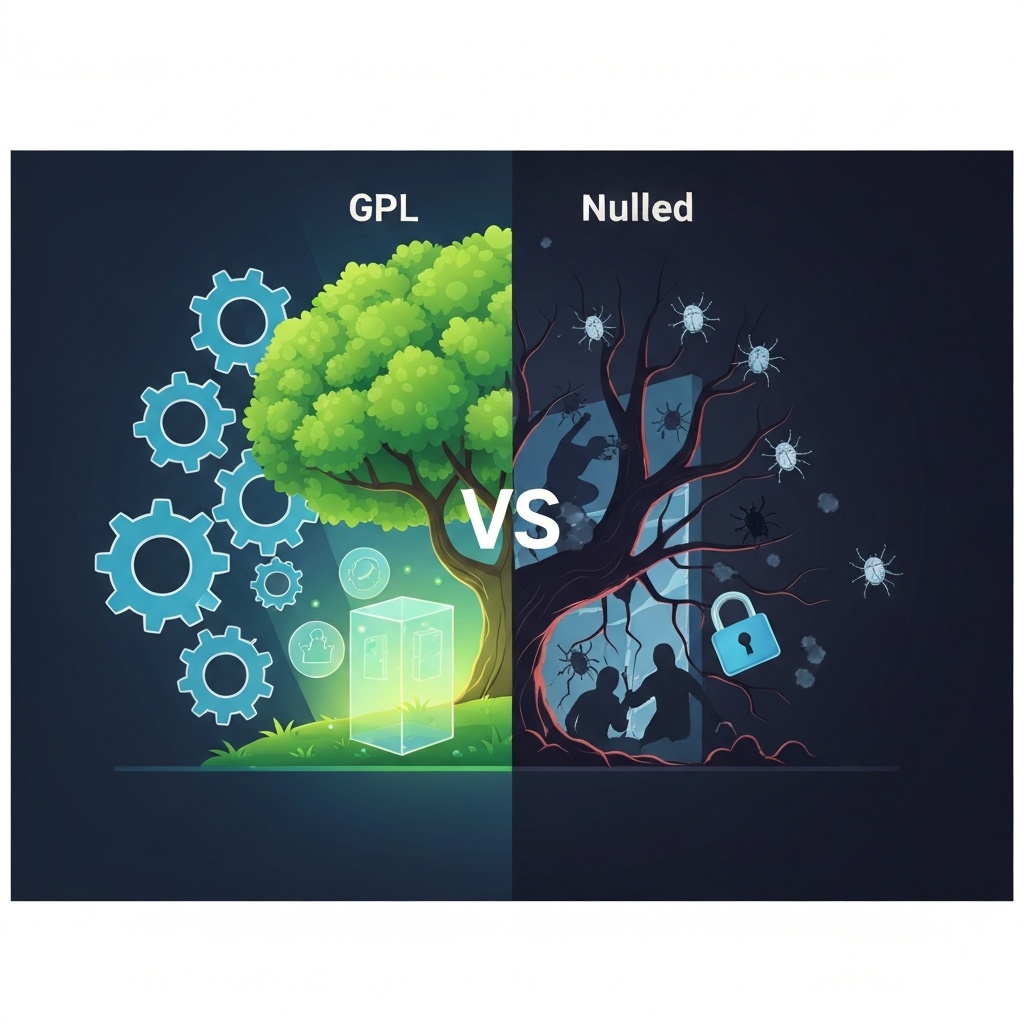
Let’s elaborate on the severe consequences of using nulled plugins:
Website Vulnerabilities and Hacking
Nulled plugins are a hacker’s playground. The modifications made to remove licensing often create new security holes or embed malicious code. These vulnerabilities can be exploited by attackers to:
- Gain full administrative control: Hackers can take over your entire website, deface it, redirect visitors to malicious sites, or use your server for illegal activities like sending spam or hosting phishing pages.
- Steal sensitive data: If your website handles user information, e-commerce transactions, or other sensitive data, these can be pilfered through compromised nulled plugins. This can lead to identity theft, financial fraud, and severe legal repercussions for you.
- Install malware: Your website can become a distribution point for malware, infecting your visitors’ computers and damaging your reputation irreparably.
A study by Wordfence, a leading WordPress security company, frequently reports on malware found in plugins, and nulled versions are a common vector.
SEO Penalties
Search engines like Google prioritize secure and user-friendly websites. If your site is compromised due to nulled plugins, you risk:
- De-indexing: Google may remove your website from its search results entirely if it’s deemed harmful or malicious.
- Ranking drops: Even minor security issues or performance degradation caused by nulled plugins can significantly harm your search engine rankings.
- Security warnings: Browsers might display warnings to users attempting to visit your site, deterring potential visitors.
Reputational Damage
Trust is a critical asset for any website. If your visitors or customers discover your site is insecure, contains malware, or is involved in illegal activities:
- Loss of customer trust: Customers will hesitate to interact with or purchase from a site they perceive as untrustworthy.
- Negative reviews and word-of-mouth: News of a compromised site spreads quickly, leading to damaging public perception.
- Difficulty attracting partners or advertisers: Businesses will be reluctant to associate with a website that has a history of security issues.
Legal Repercussions
Using and distributing copyrighted software without permission is illegal. Depending on your location and the specific circumstances, you could face:
- Copyright infringement lawsuits: Developers or software companies could take legal action against you.
- Fines and penalties: Legal battles can result in significant financial penalties.
- Hosting provider termination: Most hosting providers have terms of service that prohibit the use of illegal software. They may suspend or terminate your account if you are found using nulled plugins.
Lack of Updates and Support
As mentioned, nulled plugins do not receive updates. This is a critical issue because:
- Unpatched vulnerabilities: Developers regularly release updates to fix bugs and patch security holes. Without these, your site remains permanently vulnerable to known exploits.
- Compatibility issues: As WordPress and other plugins evolve, outdated nulled plugins can break your site or cause conflicts.
- No developer assistance: If something goes wrong, you have no official channel to seek help. You are left to troubleshoot complex technical problems alone.
The Ethical and Business Case for Genuine Plugins
Choosing genuine, GPL-licensed plugins is not just about avoiding risks; it’s about building a sustainable and reputable online presence.
Supporting the WordPress Ecosystem
The WordPress platform’s success is largely due to its vibrant open-source community and the developers who contribute to it. When you purchase premium plugins, you are investing in this ecosystem. Your purchase allows developers to:
- Continue developing high-quality plugins.
- Provide regular security updates and bug fixes.
- Offer excellent customer support.
- Innovate and create new functionalities.
This benefits not only you but also the entire WordPress community.
Long-Term Cost-Effectiveness
While nulled plugins seem “free,” they can end up costing you far more in the long run. The potential costs of a security breach, website downtime, data recovery, legal fees, and lost business can easily dwarf the price of legitimate premium plugins. Investing in genuine plugins is a proactive measure that saves money and headaches down the line.
Peace of Mind
Knowing that your website is running on secure, legitimate software provides invaluable peace of mind. You can focus on growing your business or content, rather than constantly worrying about potential security threats lurking in your plugin files.
Alternatives to Using Nulled Plugins
If budget constraints are preventing you from purchasing premium plugins, consider these alternatives:
- Look for Free GPL Alternatives: The WordPress.org repository hosts thousands of free plugins, many of which are GPL-licensed and offer excellent functionality. Often, a free plugin can meet your needs, or a combination of free plugins can achieve the desired result.
- Utilize Freemium Models: Many premium plugin developers offer a “freemium” model. They provide a basic version of their plugin for free (under GPL) with an option to upgrade to a premium version for advanced features, support, and updates. Start with the free version and upgrade if necessary.
- Wait for Sales and Discounts: Premium plugin developers frequently offer discounts during holiday seasons or special promotions. Keep an eye out for these opportunities to purchase plugins at a lower cost.
- Consider Bundles: Some developers or marketplaces offer plugin bundles that provide multiple premium plugins at a significantly reduced price compared to buying them individually.
- Prioritize Essential Features: Evaluate which premium features are truly essential for your website’s success. You might find that you don’t need every single premium plugin you initially thought you did. Focus your budget on the plugins that offer the most significant return on investment.
- Negotiate or Seek Custom Solutions: For specific needs, sometimes it’s more cost-effective to hire a developer for a short period to create a custom solution or modify an existing GPL plugin, rather than relying on potentially risky nulled software.
Case Study: The Hidden Cost of “Free” Plugins
A small e-commerce business owner, let’s call her Sarah, was building her online store. To save money, she decided to download several premium themes and plugins from a website offering “nulled” versions for free. Among these was a premium e-commerce add-on that promised advanced product filtering and customization options.
Initially, everything seemed to work perfectly. Sarah launched her store, and sales began to trickle in. However, after about two months, her website started experiencing intermittent downtime. Visitors complained about slow loading speeds, and sometimes the site would simply refuse to load. Sarah contacted her hosting provider, who found no issues with the server.
Then, one morning, Sarah discovered that her website had been replaced with a defaced page displaying a hacker’s message. Worse, she received an email from a concerned customer whose credit card details might have been compromised. A frantic investigation by a security expert revealed that the “nulled” e-commerce plugin Sarah had installed contained a hidden backdoor and a script designed to capture payment information.
The cost of the breach was astronomical. Sarah had to:
- Pay a security firm thousands of dollars to clean her site and restore it from backups (which were thankfully recent).
- Notify affected customers and offer credit monitoring services, damaging her reputation severely.
- Lose significant revenue during the downtime and due to customer distrust.
- Rebuild trust through extensive marketing and customer outreach, a costly and time-consuming process.
The “free” nulled plugins ended up costing Sarah tens of thousands of dollars and nearly destroyed her business. She learned a harsh but vital lesson: genuine, GPL-licensed software is an investment in security and long-term success.
Conclusion: Prioritize Security and Ethics
The difference between GPL and nulled WordPress plugins is stark and critically important. GPL plugins represent the open-source spirit of WordPress, offering flexibility and freedom within legal and ethical boundaries. Nulled plugins, conversely, are illegal, insecure, and unethical. They pose a severe threat to your website’s security, your data, your reputation, and your business’s future.
Always source your WordPress plugins from reputable locations like the official WordPress.org repository or directly from trusted developers. While the allure of “free” premium software is understandable, the risks associated with nulled plugins are simply too high. Prioritizing genuine software is an investment in the stability, security, and ethical foundation of your online presence. Choose wisely, and protect your digital assets.
GPL vs Nulled WordPress Files
A simple comparison for users who want affordable WordPress tools without risking their website.
GPL-Distributed Files
- Shared under GPL-friendly redistribution principles.
- Useful for testing, learning, staging, and budget-friendly builds.
- Cleaner alternative compared with random nulled downloads.
- Transparent when official vendor support is not included.
Nulled Files
- Often cracked, modified, or redistributed without transparency.
- Can include malware, hidden redirects, and backdoors.
- May damage SEO rankings, site reputation, and customer trust.
- Hard to verify and unsafe for serious WordPress projects.
Explore GPL WordPress plugins, themes, templates, and WooCommerce tools.
Get affordable WordPress resources for design, SEO, performance, forms, automation, WooCommerce, and more.
Quick FAQs
Short answers for common WordPress GPL and safety questions.
Are WordPress GPL plugins legal?
WordPress GPL plugins can be legally redistributed when they are distributed under GPL license terms. The important part is to avoid misleading official license claims and unsafe nulled files.
What is the difference between GPL and nulled plugins?
GPL-distributed plugins are shared under open-source license terms. Nulled plugins are usually cracked, modified, or redistributed without transparency.
Do GPL products include official developer support?
GPL-distributed products usually do not include official vendor support, official account access, or vendor license keys unless clearly stated.

Qamar
WPPlugShop publishes practical WordPress guides focused on GPL awareness, site performance, affordable tools, WooCommerce, SEO, analytics, and safer website building.
Related WordPress Guides
More practical resources to help you build smarter, safer, and faster with WordPress.